

6 Best Foods for Constipation + How to Add Fibre Gently

A warm bowl of oats. Juicy kiwi. A handful of berries. Some of the best foods for constipation are everyday ingredients you can turn into something delicious.
Kiwi and prunes have been studied directly in people with constipation. Oats, berries, chia and lentils offer easy ways to add fibre to your meals. Here’s what makes each one useful, plus simple ways to enjoy it.
Green kiwi: a juicy breakfast boost
Sweet, tangy and easy to eat, green kiwi is a good place to start if you want a food with constipation research behind it. In one clinical trial, eating two green kiwifruits daily helped improve bowel movements and stool consistency.
Choose fruit that gives slightly when pressed. Cut it in half and scoop out the flesh with a spoon, or peel and slice it. You can enjoy it without eating the skin.
Try it: Spoon plain soy yogurt into a bowl, add sliced kiwi and finish with a little cinnamon. It’s fresh, creamy and takes almost no effort.
Rolled oats: cosy, simple and versatile
Oats are an affordable whole grain that brings fibre to breakfast. A bowl you enjoy eating regularly is an easy habit to build.
Cook them with fortified soy milk for a creamy texture, adding a splash more liquid as they soften. Cinnamon, vanilla or a little nut butter can make a basic bowl feel more inviting.
Try it: Top warm porridge with berries. For a savoury version, use mushrooms, black pepper and a drizzle of olive oil.
Berries: a colourful handful of fibre
Raspberries, blackberries, blueberries and strawberries all bring fibre to the table. Pick your favourites or use a mix. Fresh and frozen both work beautifully.
Keep a bag in the freezer so you can use a handful whenever you need it. Warm the berries with a splash of water until juicy, following any cooking instructions on the packet.
Try it: Spoon warm berries over porridge or soy yogurt. Mash them lightly with a fork for a quick, bright fruit topping.
Chia seeds: a little goes a long way
Chia adds fibre in a small spoonful. The seeds absorb liquid and develop a soft, gel-like texture, which makes them handy for puddings and creamy breakfasts.
Start with a little if you’re new to chia. Mix it with plenty of liquid and let it fully hydrate before eating. Avoid swallowing dry spoonfuls, especially if you have difficulty swallowing.
Try it: Make a loose chia pudding with plant milk and vanilla. Stir well, refrigerate until fully hydrated and finish with your favourite fruit.
Lentils: make lunch a little more satisfying
Lentils bring both fibre and plant protein to savoury meals. Red lentils soften into soups and sauces; green and brown lentils keep more bite in salads and patties.
If lentils tend to make you gassy, begin with a small amount. Canned lentils, drained and rinsed well, may be easier for some sensitive guts to tolerate because some fermentable carbohydrates wash away with the liquid.
Try it: Stir a few spoonfuls into tomato pasta sauce, or turn them into my crispy lentil veggie patties below.
Prunes: naturally sweet and worth revisiting
Prunes are dried plums with direct research supporting their use for constipation. They’re also an easy way to add soft, fruity sweetness to breakfast.
Begin with a few and see how they suit you. The small serving in the graphic is a starting idea; research has often used larger amounts. Increase gradually if comfortable, and ease back if they cause loose stools or uncomfortable bloating.
Try it: Soften prunes in warm water, then chop and stir them into cinnamon porridge. Or blend softened prunes with a splash of their soaking water for a spoonable fruit sauce.
Turn the foods into meals you’ll look forward to
Warm berry porridge
Cook oats until creamy, then swirl through warm berries. Add cinnamon and a little nut butter if you like. A cosy breakfast with plenty of room for your favourite flavours.
Kiwi & vanilla yogurt bowl
Stir a little vanilla into plain soy yogurt and top with ripe kiwi. Keep it simple, or add a few berries for extra colour.
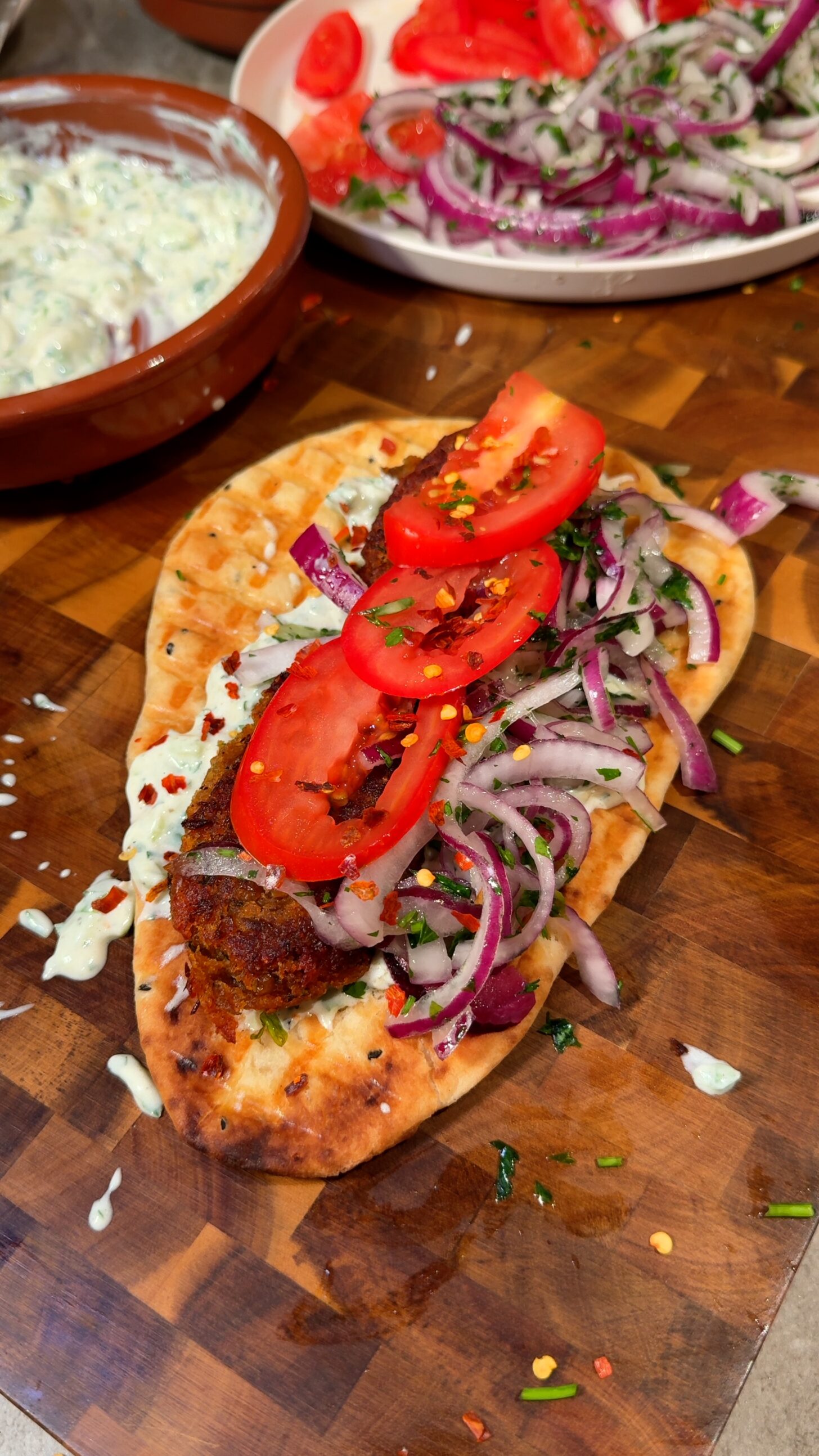
Crispy lentil veggie patties
Golden patties, crunchy vegetables and a creamy sauce, tucked into bread. This is an easy way to turn lentils into a lunch you’ll want to make again.
Get the lentil patties recipe →Help your gut adjust comfortably
Fibre and fluids work together to help stools become easier to pass. A sudden jump in fibre can leave you feeling bloated, so give yourself time to settle into a change.
Keep the first step small. Add one food to a meal you already enjoy. There’s no required order, and you don’t need all six foods in a day.
Drink regularly. Keep water handy and include fluids throughout the day. Follow any fluid limits your clinician has given you.
Let comfort guide you. If you feel uncomfortable, reduce the amount and pause further increases. Persistent constipation deserves individual advice, especially if you already eat plenty of fibre.

A few questions you might have
Which food should I try first?
Kiwi or prunes are reasonable options if constipation relief is your main goal, because both have been tested in clinical trials. Preference and tolerance matter too.
How quickly will it work?
Results vary. The trial discussed here followed people over several weeks, so give a comfortable change some time. Seek advice if symptoms persist.
What if I have IBS?
Portions and preparation can make a difference. A dietitian can help you choose foods that suit your symptoms, particularly if fibre seems to worsen them.
For more everyday food ideas, explore my plant-based foods for gut health guide.
When to get extra help
Contact a healthcare professional if constipation continues despite self-care. Seek prompt medical help if it comes with blood in your stool, ongoing abdominal pain, vomiting, inability to pass gas, fever or unexplained weight loss.
Research and sources
Kiwi and prunes: A four-week clinical trial compared two green kiwifruits a day, prunes and psyllium in adults with constipation. Bowel movement frequency improved in all groups; kiwi and prunes also improved stool consistency. This was a small, partially randomised study. The prune group ate 100 g daily, more than the serving pictured in the graphic. Read the study in the American Journal of Gastroenterology.
Everyday fibre: Oats, berries, chia and lentils are included as fibre-containing foods. The evidence for each is different, and the graphic’s sequence has not been tested as a treatment plan. NIDDK: eating and drinking for constipation. Dietary Guidelines: food sources of fibre.
Sensitive digestion: Monash University explains how draining and rinsing legumes affects their FODMAP content.
Chia preparation: American College of Gastroenterology advice on hydrating chia before eating.
When to seek care: NIDDK: constipation symptoms and warning signs.